Excellence Sharing Growth

2018. 10. 11-12 COEX Grand Ballroom, Seoul

Scroll icon
See you next year!

DEVIEW 2018 행사가 종료되었습니다.

발표 영상과 자료를 지금 확인해보세요.

WATCH VIDEOS
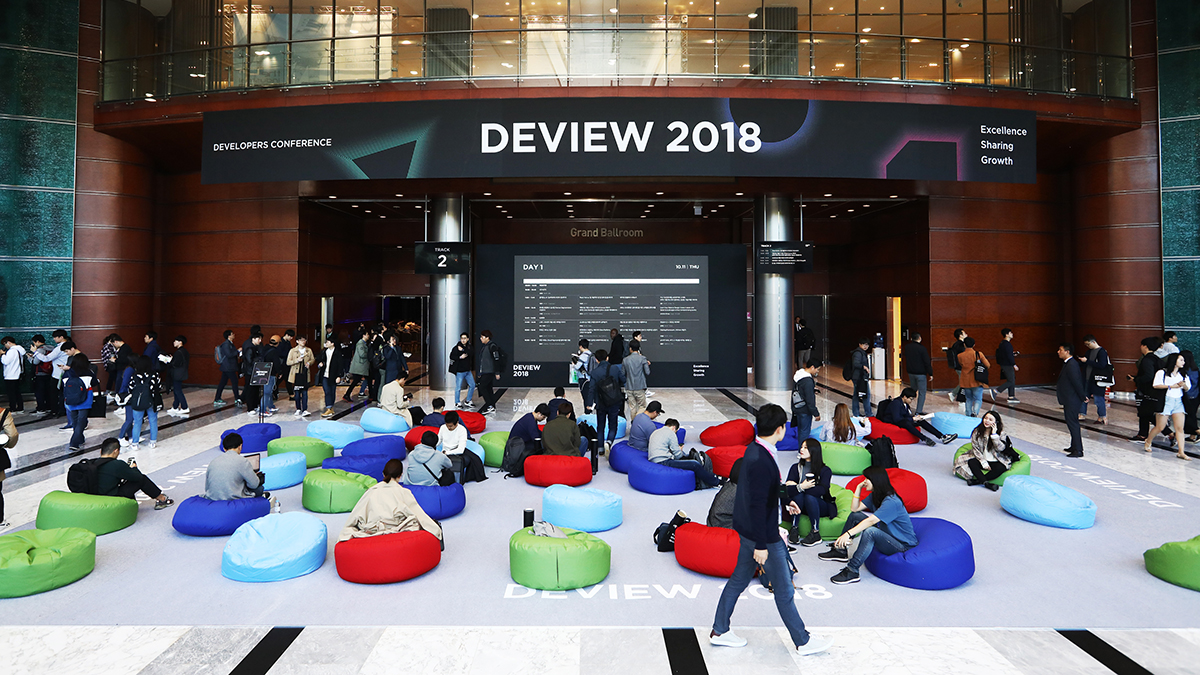
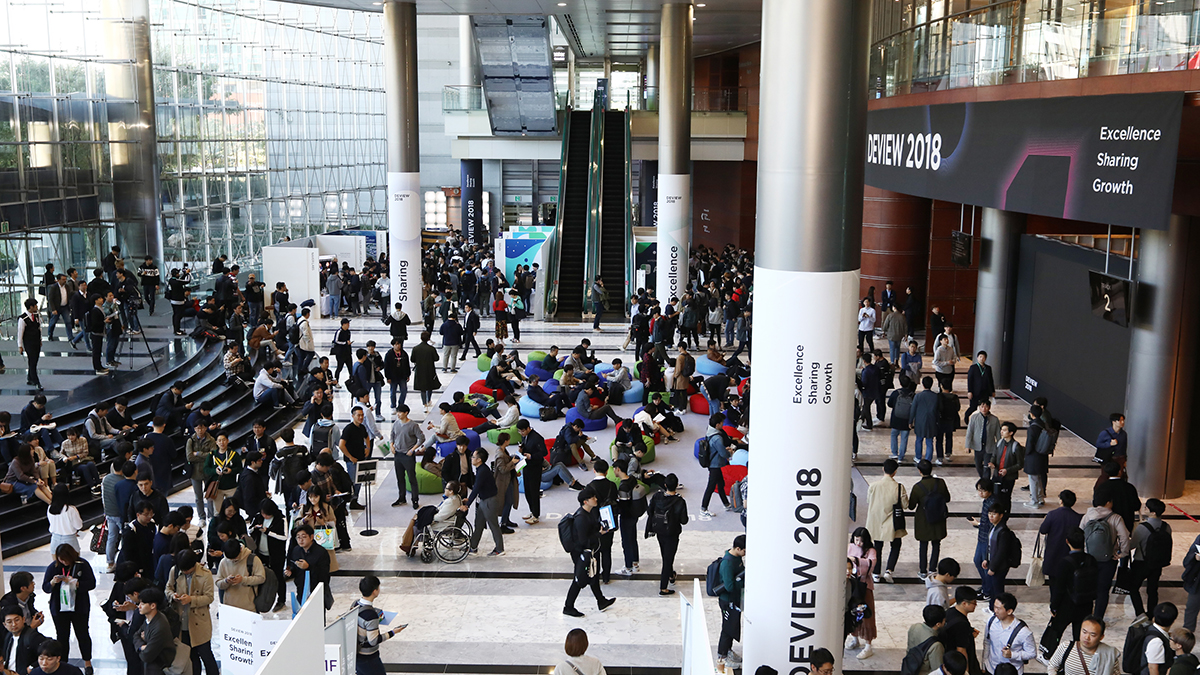
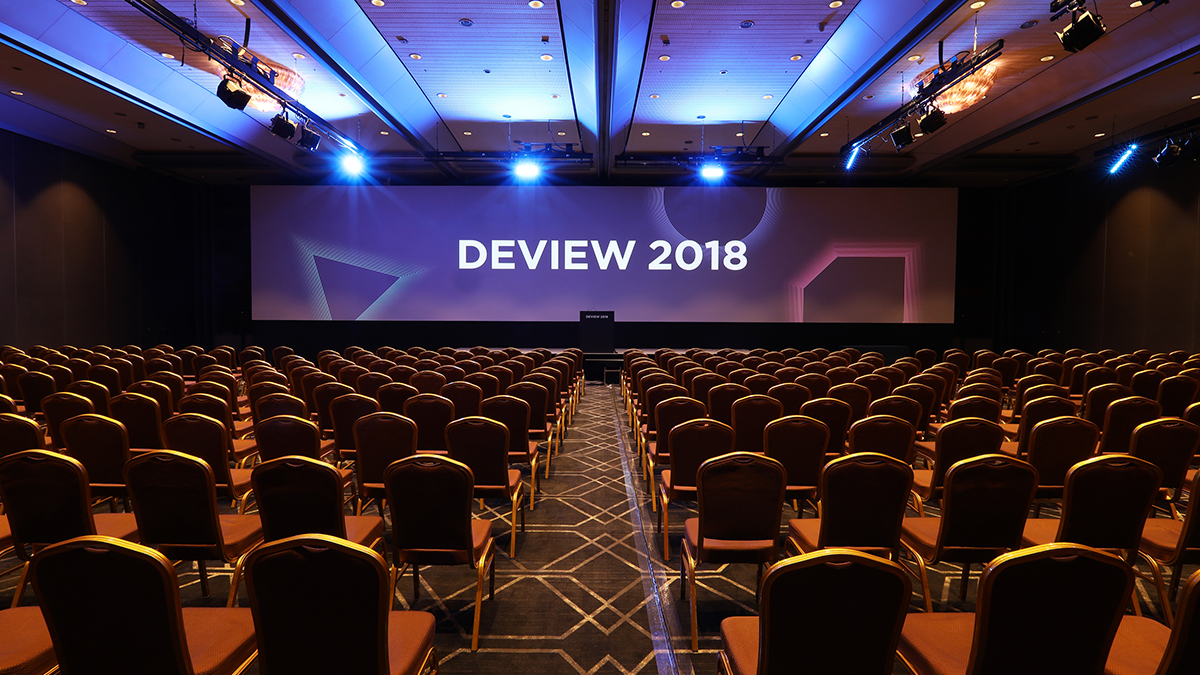
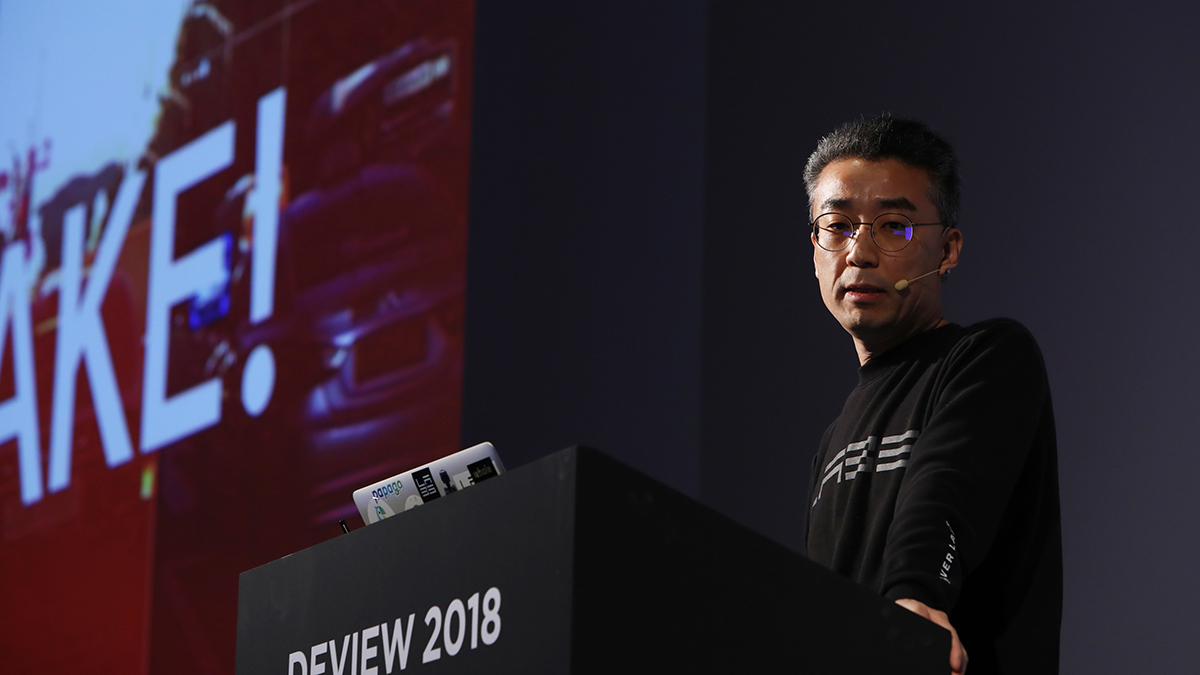
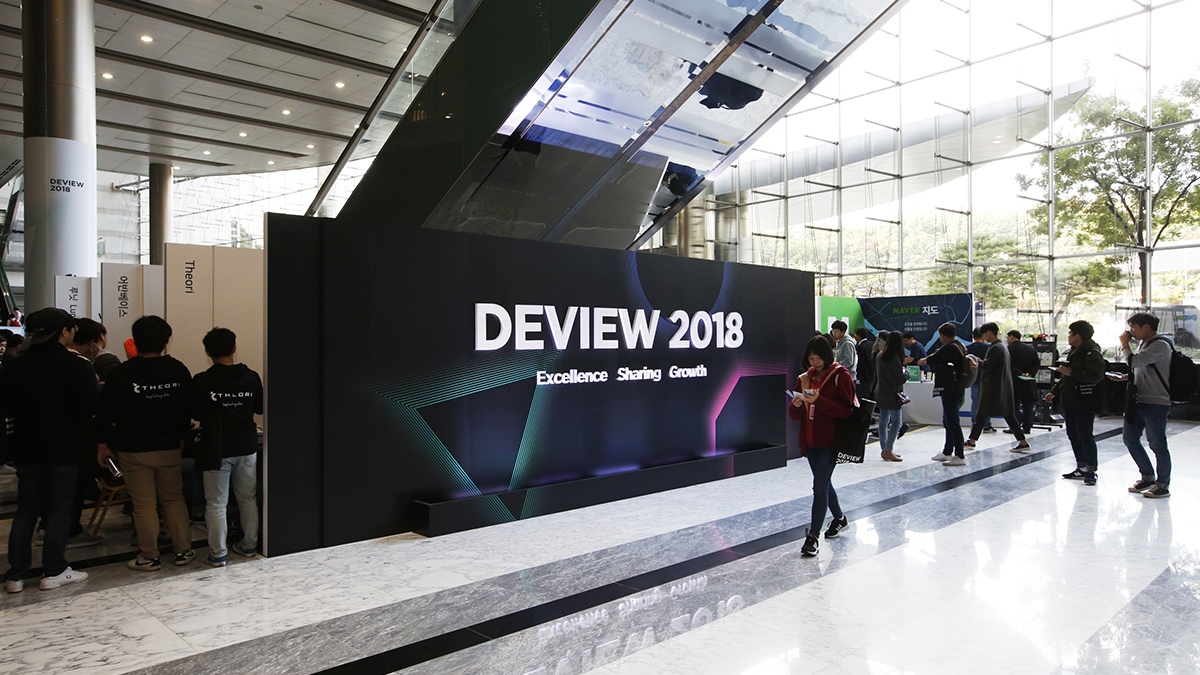
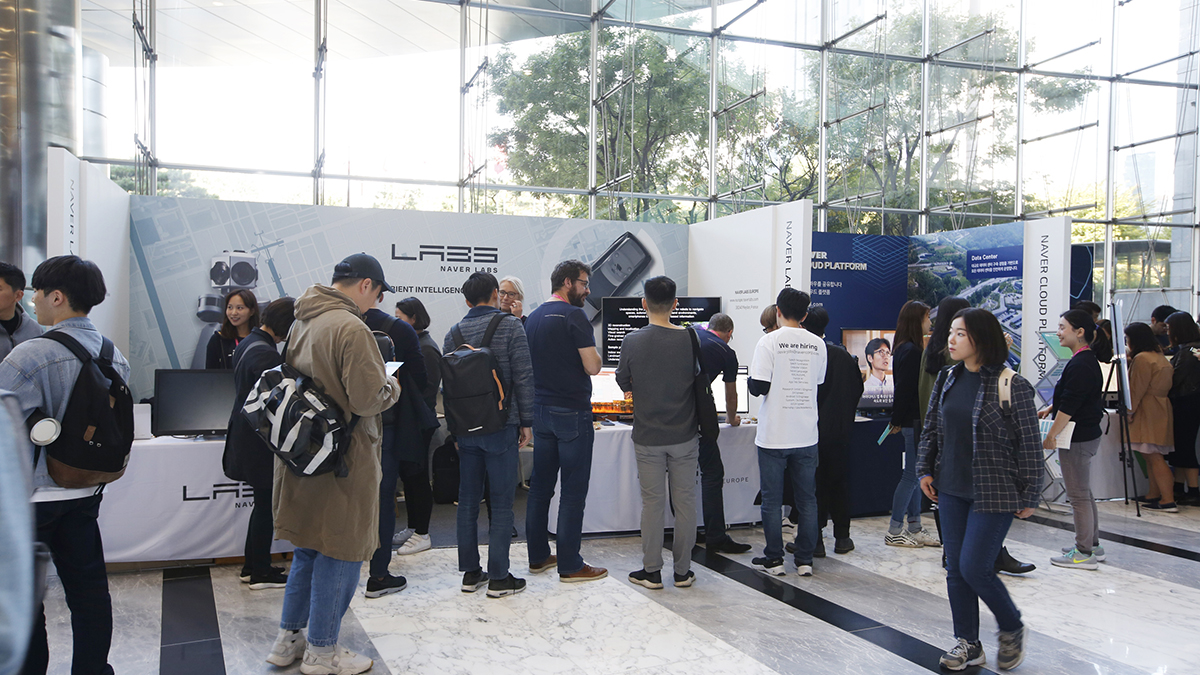
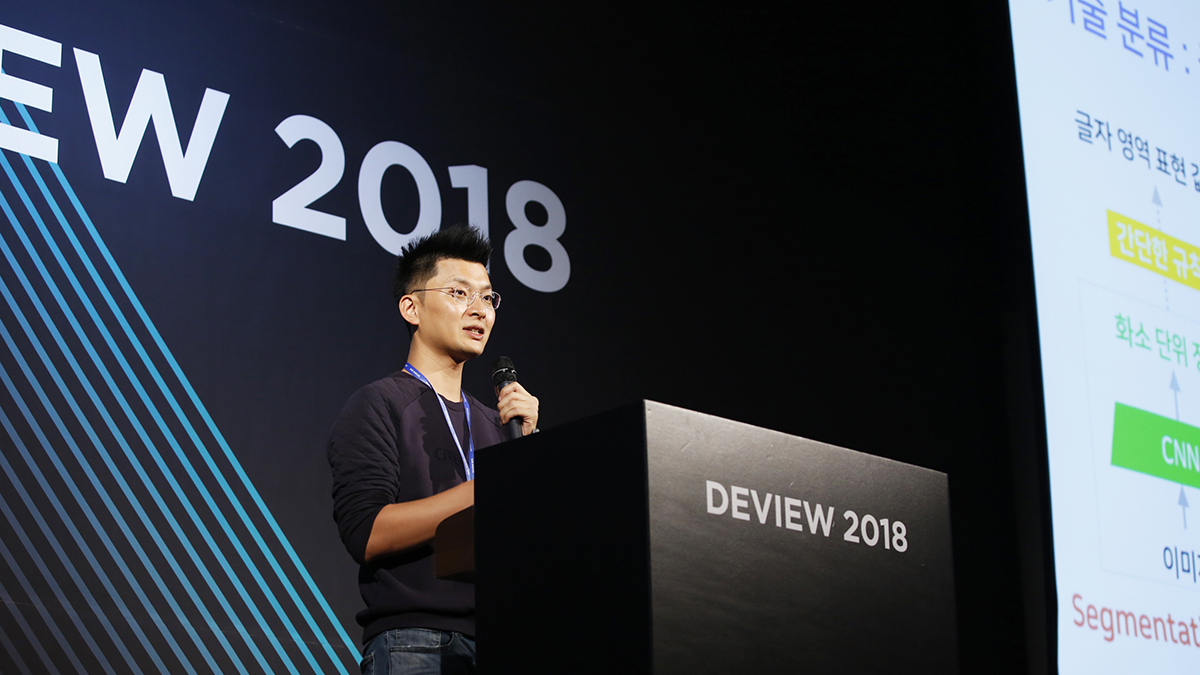
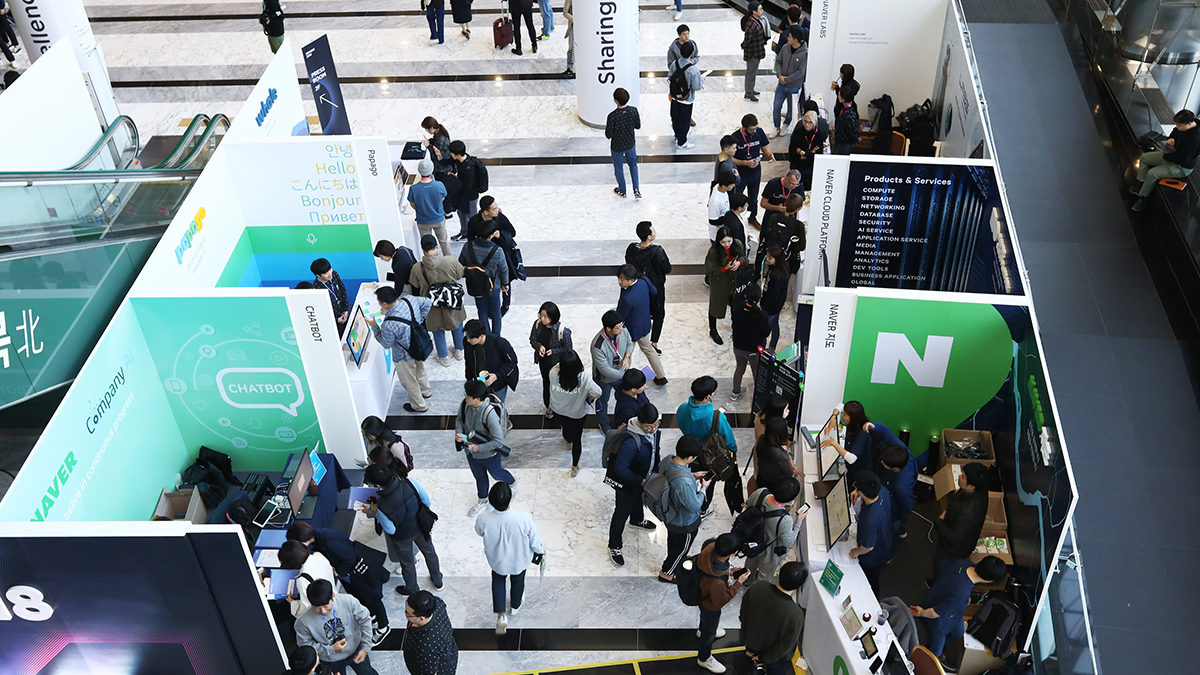
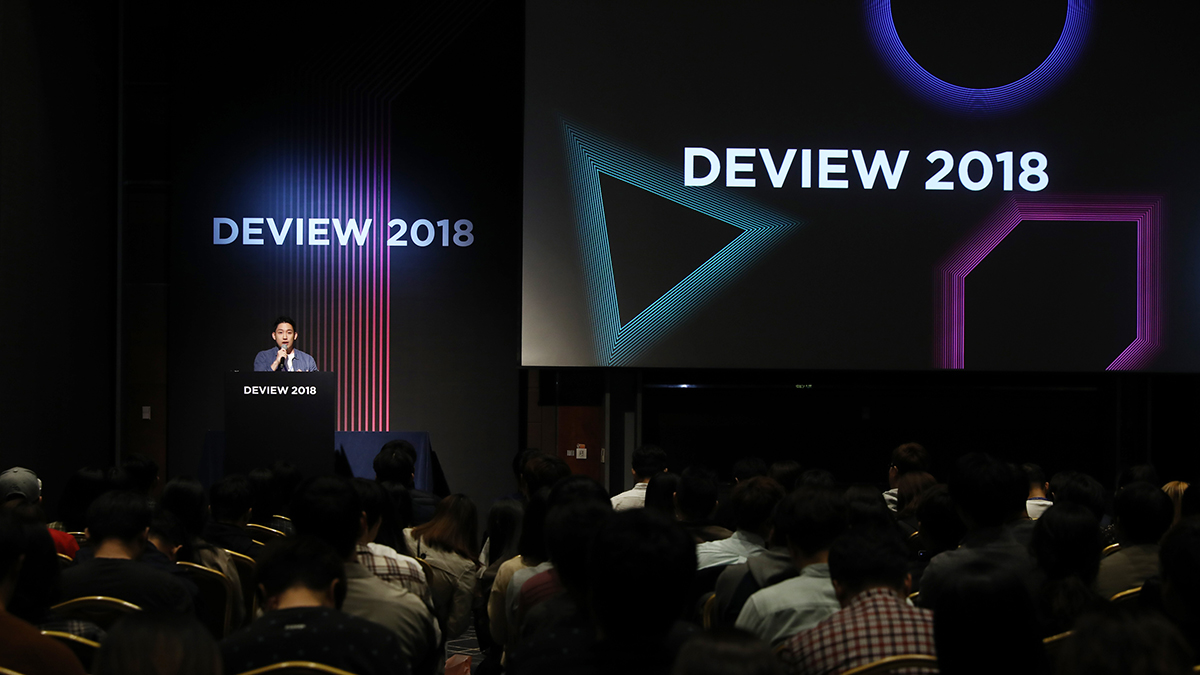
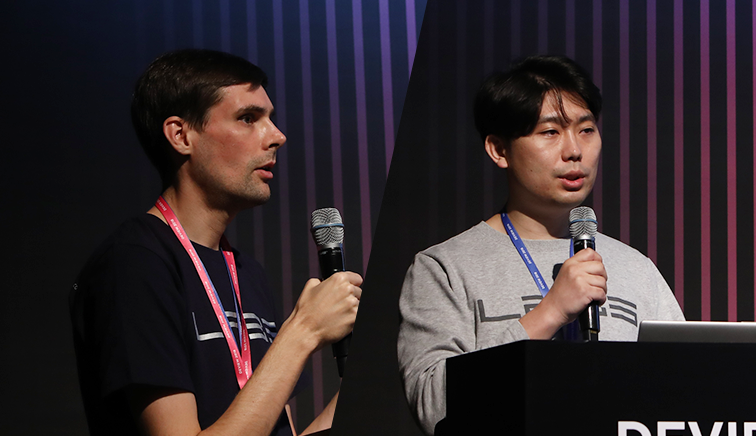
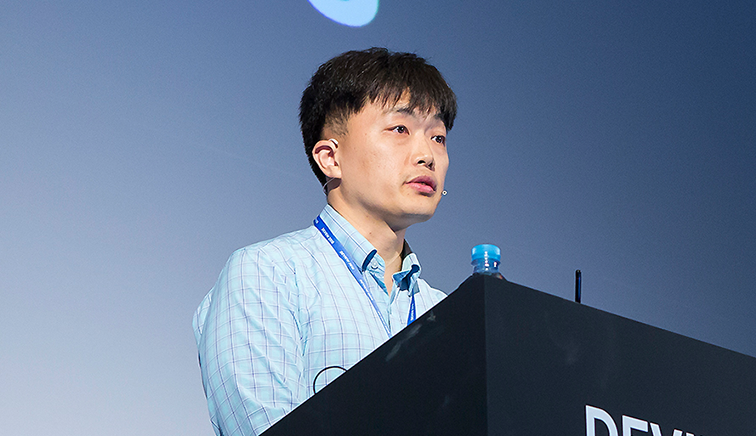
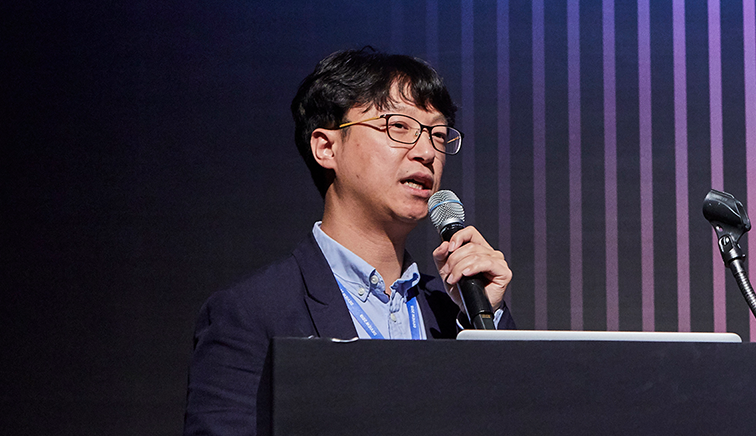
2018 DEVIEW 행사 사진
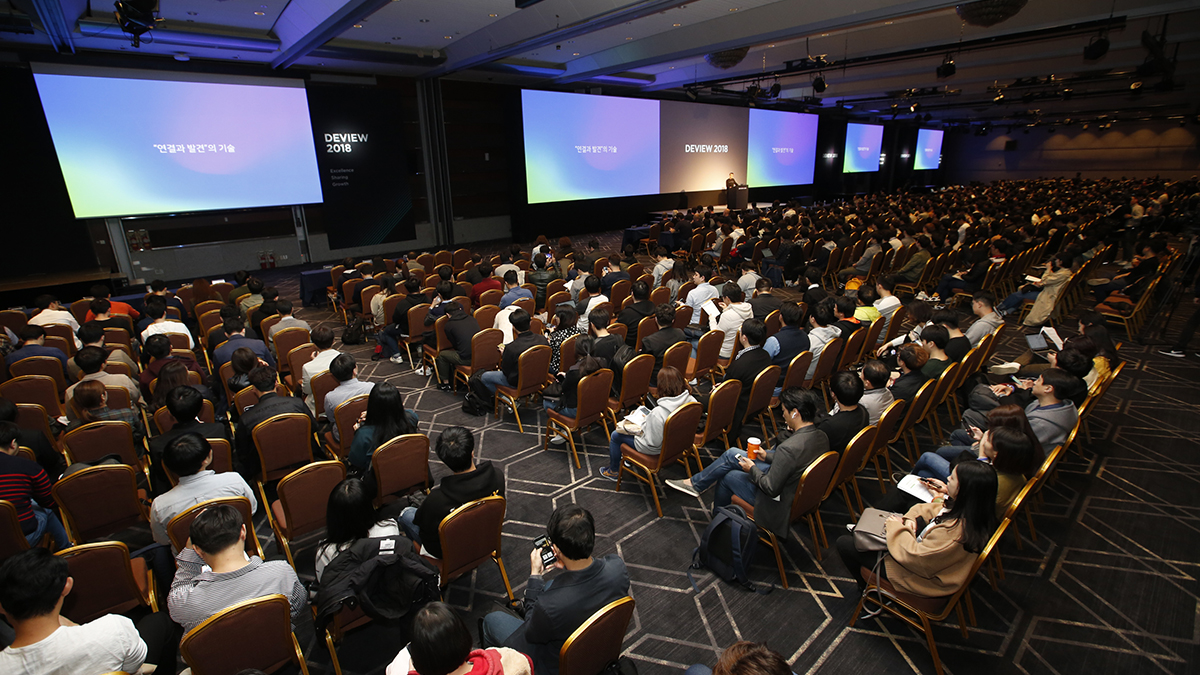
2018 DEVIEW 행사 사진
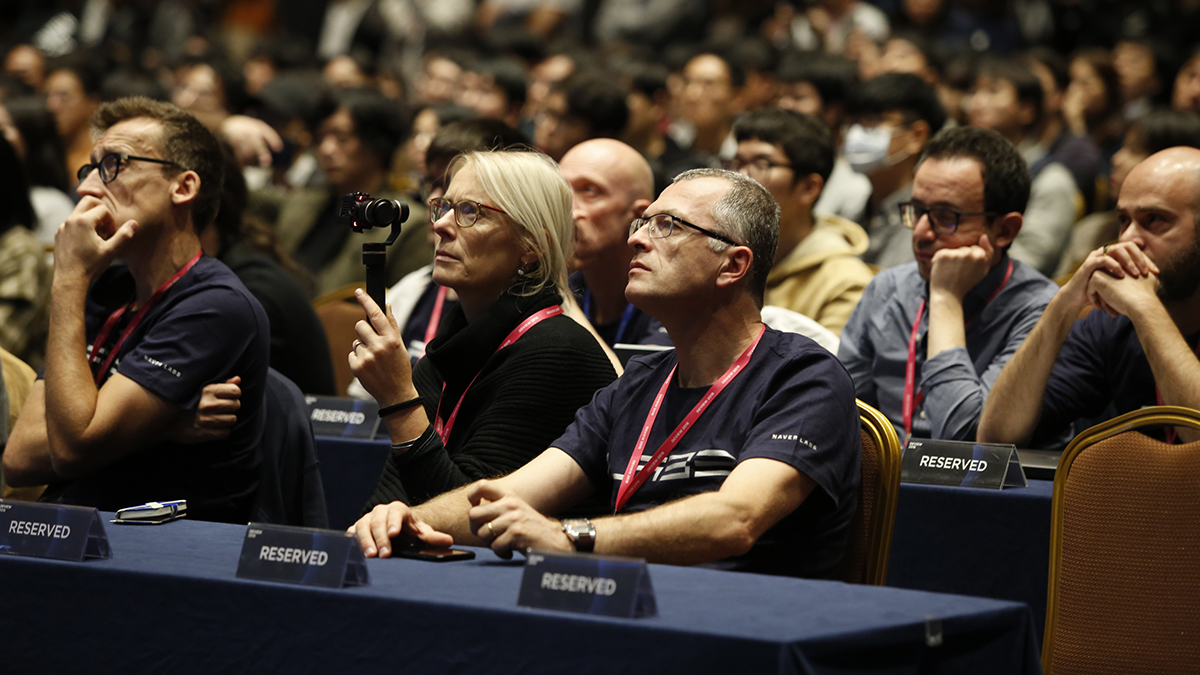
2018 DEVIEW 행사 사진
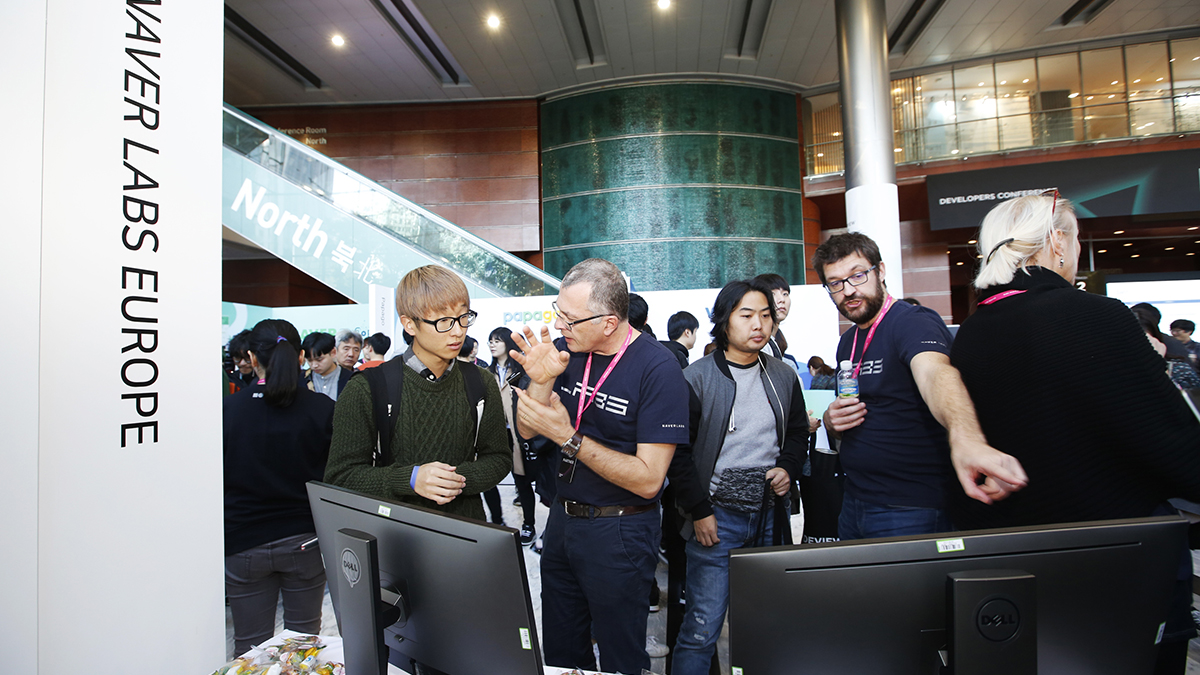
2018 DEVIEW 행사 사진
2018 DEVIEW 행사 사진
2018 DEVIEW 행사 사진
2018 DEVIEW 행사 사진
2018 DEVIEW 행사 사진
2018 DEVIEW 행사 사진
2018 DEVIEW 행사 사진
2018 DEVIEW 행사 사진
2018 DEVIEW 행사 사진
2018 DEVIEW 행사 사진

SESSIONS

강연 목록

강연자 사진
강연 분야
  • 머신러닝
  • AI
강연 제목
Deep Learning to help student’s Deep Learning
강연 내용
With the growing demand for people to keep learning throughout their careers, massive open online course (MOOCs) companies, such as Udacity and Coursera, not only aggressively design new courses that are relevant (e.g., self-driving cars and flying cars), but refresh existing courses’ content frequently to keep them up-to-date. This effort results in a significant increase in student numbers, which makes it impractical for even experienced human instructors to assess an individual student's level of engagement and anticipate their learning outcomes. Moreover, students in each MOOC classroom are heterogeneous in background and intention, which is very different from a classic classroom. Even subsequent offerings of a course within a year will have a different population of students, mentors, and—in some cases—instructors. Also, due to the nascent nature of online learning platforms, many other aspects of a course will evolve quickly such that students are frequently being exposed to experimental content modalities or workflow refinements. In this world of MOOCs, an automated machine which reliably forecasts students’ performance in real-time (or early stages), would be a valuable tool for making smart decisions about when (and with whom) to make live educational interventions as students interact with online coursework, with the aim of increasing engagement, providing motivation, and empowering students to succeed. With that, in this talk, we first recast the student performance prediction problem as a sequential event prediction problem. Then introduce recently-developed GritNet architecture which is the current state of the art for student performance problem and develop methods to use (or operationalize) GritNet in real-time or live predictions with on-going courses. Our results for real Udacity students’ graduation predictions demonstrate that the GritNet not only generalizes well from one course to another across different Nanodegree programs, but enhances real-time predictions explicitly in the first few weeks when accurate predictions are most challenging. In contrast to prior works, the GritNet does not need any feature engineering and it can operate on any student event data associated with a timestamp.
강연자
김병학
강연자 사진
강연 분야
  • 모바일
  • AR
  • 테크 스타트업
강연 제목
printf("Hello, AR"); //세상을 바꾸는 새로운 눈
강연 내용
가상과 현실의 동시 경험을 제공하는 AR 기술의 작동원리는 크게 규칙적인 디지털 표식/패턴을 인식하는 마커 방식과 이미지/오브젝트 형태 등을 인식하는 마커리스 방식으로 구분됩니다. 이러한 인식기술에 컨텐츠 (3D,영상,이미지 등)을 표시하기 위한 그래픽 렌더링 기술, 사용자의 입출력 정보와 디바이스의 센서 (가속,자이로,근접,밝기,모션) 정보 등을 최종적으로 카메라에 연출하는 영상 합성기술 등이 더해져서 AR이 작동하게 됩니다. 본 세션에서는 복잡한 AR 기술에 조금 더 쉽게 접근하기 위한 정보와 국내 최초로 AR서비스를 개발하면서 겪은 시행착오, 이를 통해 얻게 된 인사이트들을 공유드리고자 합니다.
목차
1. VR(Virtual reality)속 AR(Augment reality)
2. AR은 우리의 삶에 어떻게 녹아 있는가?
  • 시장규모 및 전망
  • 소비기반의 AR : 커머스, 네비게이션, 게임, 교육 등
  • 생산기반의 AR : 제조, 건축, 의료 등
3. AR 기술 구현의 한계
  • 개발 측면 : 3D 관련 지식, AR 개발도구 & 문서, 필수인력
  • 인프라 측면 : 디바이스, 네트워크
  • 서비스 측면 : BM 확장, 단순 마케팅 수단
4. AR 구현을 돕는 다양한 도구들
  • 비개발자 : wiarframe, Snapchat Lens Studio, Facebook AR Studio
  • 개발자 : 3D 변환 API, 다양한 AR SDK
5. AR 구현 시 겪게되는 경험 공유
  • 용어부터 어려운 기반 지식 : VIO, 6DoF, Light Estimation, SLAM, PBR, ToF
  • 기술응용에 필요한 학습비용(ARKit, ARCore 등)
  • 표준 파일 포맷 부재 : OS(iOS, Android)별 상이한 3D 파일 포맷
  • 서비스 품질 수준
  • User Experience : 단순함, 피로감, 2D와의 차별화
6. 가까운 미래에 만나게 될 AR 기술 및 서비스
  • Quick Look
  • Object Scan, Save, Detect
  • AR Cloud : Cloud Anchor, AR 명함, 건축가를 위한 AR
  • AR + Vision + Machine Learning
대상
  • AR 서비스에 대한 새로운 비지니스 모델을 고민하는 기획자/개발자/디자이너 누구나
  • AR 서비스 개발에 흥미를 갖는 개발자
강연자
방현우
강연자 사진
강연 분야
  • 테크 스타트업
  • 빅데이터
  • AI
강연 제목
병리 AI 제품 개발을 위한 데이터 관리 및 좌충우돌 삽질기
강연 내용
의료 데이터에 AI를 접목시키는 다양한 시도가 이루어지고 있고 국내에서도 인허가를 통해 실제 상용화의 길이 열리고 있습니다. 루닛에서는 흉부 영상의학, 유방 영상의학, 심장 영상의학 분야뿐만 아니라 병리 영상도 연구하고 있습니다. 본 세션에서는 머신러닝 연구자가 아닌 B2C 서비스 개발 출신 백엔드 개발자의 입장에서 병리 AI 제품을 개발하며 겪은 몇 가지 핵심 컨셉에 대해 이야기 하려고 합니다. 기술적 난이도가 높은 문제보다는 개발자 입장에서는 생소한 병리학이라는 도메인을 접하면서 생각의 전개를 어떻게 가져갔는지, 어떤 고민과 문제가 있었는지를 공유할 예정입니다.
목차
1. 병리 AI란?
2. 데이터 컨셉과 구조
병리 데이터는 특성상 대용량 이미지 파일을 관리해야 하고 이 데이터를 기반으로 개발을 할 때 고려해야 할 다양한 요소들이 존재합니다. 주어졌던 데이터와 그 데이터의 hierarchy를 어떻게 가져갔는지를 설명하려고 합니다.
3. Openslide와 Openseadragon
오픈소스인 Openslide와 Openseadragon을 이용하여 Whole Slide Image 뷰어를 지원하고 이 위에 annotation과 visualization을 할 수 있도록 개발되었습니다. 각각의 특성과 유스 케이스를 설명하려고 합니다.
4. 병리 AI Projects
실제 개발 중인 제품 구현에 활용된 기술들에 대한 소개와 각각 어떻게 적용했는지, 적용하면서 발생했던 문제를 어떻게 해결했는지에 대해 공유하려고 합니다.
5. 의료 AI 서비스를 개발하는 개발자
강연자
이경원
전체 Schedule 보러가기

PARTNERS

  • baidu
  • carnegie mellon university
  • logo_coupang
  • google
  • hyper connect
  • imply
  • labs
  • labs europe
  • line
  • lunit
  • naver
  • naver business platform
  • nvidia
  • samsunginternet
  • superb ai
  • theori
  • udacity
  • urbanbase

LOCATION

장소
코엑스 그랜드볼룸 (Coex Grand Ballroom)
주소
서울 강남구 영동대로 513 코엑스, (지번) 삼성동 159 코엑스
연락처
02-6000-0114

그랜드볼룸은 봉은사 맞은편 코엑스 1층 북문 쪽에 위치해 있습니다.
지하철 이용 시 9호선 봉은사역 7번 출구를 이용하시거나 삼성역 6번 출구를 이용하시면 됩니다.

교통정보 더보기 >

DEVIEW 2018에 관하여 더 궁금한 점이 있다면?

FAQ 보러가기